Cuisinart Rice Steamer Instructions: A Comprehensive Guide
Navigating the world of perfectly cooked rice and steamed delights is now simpler! This guide unlocks the full potential of your Cuisinart appliance,
offering detailed instructions and recipes for effortless meal preparation, ensuring consistently delicious results every time․
Understanding Your Cuisinart Rice Steamer
Your Cuisinart Rice Steamer is a versatile kitchen appliance designed to simplify cooking rice and steaming various foods․ It’s more than just a rice cooker; it’s a complete cooking system․ Familiarizing yourself with its components and functionalities is key to maximizing its potential․
This steamer utilizes controlled heating and precise timing to deliver perfectly cooked rice – whether it’s fluffy white rice, nutritious brown rice, or fragrant jasmine rice․ Beyond rice, the steaming function allows you to prepare healthy and delicious vegetables, fish, poultry, and more, retaining vital nutrients often lost through traditional boiling methods․
Understanding the preset programs and customizable settings empowers you to tailor each cooking cycle to your specific preferences․ The delay start function offers convenience, allowing you to schedule meals in advance․ The keep-warm function ensures your food remains at the ideal serving temperature until you’re ready to enjoy it․
Unboxing and Component Identification
Carefully unpack your Cuisinart Rice Steamer and verify all components are present․ You should find the main steamer base housing the heating element and control panel․ A removable, non-stick inner cooking pot is crucial for rice preparation and easy cleaning․
The included steaming basket, typically made of durable plastic or stainless steel, fits securely within the unit, allowing for simultaneous steaming of vegetables, fish, or other foods․ A condensation collector catches excess moisture during steaming, preventing water from dripping back onto your food․
Also included are essential accessories like a rice measuring cup, specifically calibrated for accurate rice-to-water ratios, and a serving spatula, often designed to avoid scratching the non-stick coating․ Retain the user manual for detailed instructions and troubleshooting guidance․ Inspect all parts for any damage before first use․
Initial Setup and First-Time Use
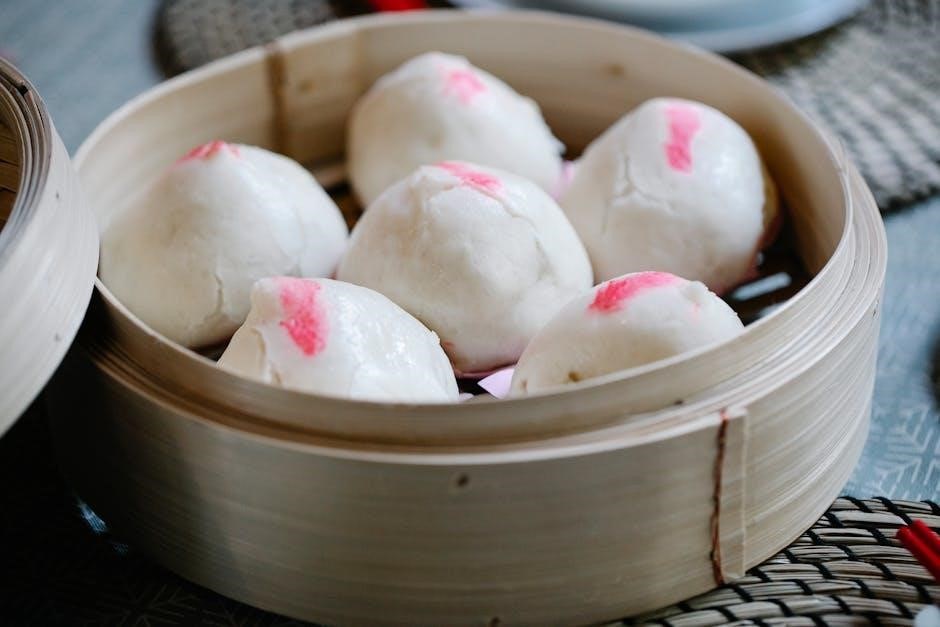
Before your inaugural cooking session, thoroughly wash the inner pot, steaming basket, and condensation collector with warm, soapy water․ Rinse and dry completely․ Wipe the exterior of the steamer base with a damp cloth – avoid immersion in water․
Plug the Cuisinart Rice Steamer into a grounded electrical outlet․ It’s recommended to perform a test run without rice․ Add one cup of water to the inner pot and select the “White Rice” setting․ This initial cycle helps eliminate any manufacturing residue and familiarizes you with the operation․
Allow the cycle to complete, then carefully discard the water․ Your steamer is now ready for use! Refer to the cooking guidelines for specific rice types and steaming times․ Always ensure proper ventilation during operation and never leave the appliance unattended․

Cooking Rice: Core Functions
Mastering the art of rice cooking is easy! This section details precise water ratios and cooking times for various rice types, guaranteeing fluffy perfection․
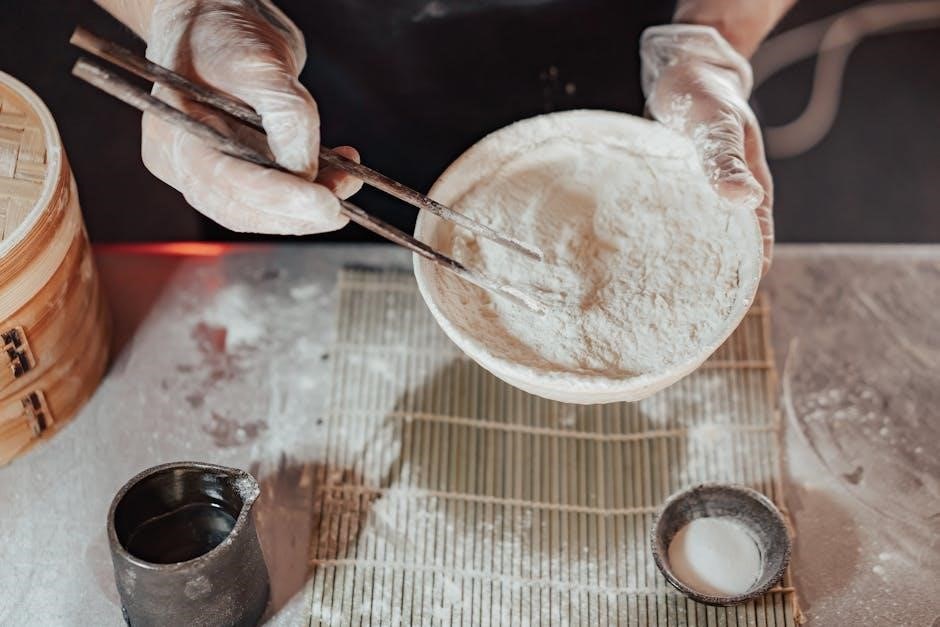
White Rice Cooking Instructions
Achieving fluffy, perfectly cooked white rice is the cornerstone of many meals․ Begin by thoroughly rinsing the rice under cold water until the water runs clear – this removes excess starch, preventing stickiness․ For a standard cup of white rice, use 1 cup of water․ Place the rinsed rice and water into the Cuisinart rice steamer’s inner pot․
Secure the lid, ensuring it’s properly sealed․ Select the “White Rice” preset program on your steamer․ If your model doesn’t have a dedicated preset, use the manual setting and set the cooking time for approximately 15-20 minutes․ Once the cooking cycle is complete, allow the rice to stand, undisturbed, for 10 minutes․ This allows the steam to redistribute, resulting in evenly cooked grains․ Finally, fluff gently with a fork before serving․ Adjust water ratios slightly based on your preferred rice texture – less water for firmer rice, more for softer․
Brown Rice Cooking Instructions
Brown rice, with its nutty flavor and wholesome goodness, requires a slightly different approach than white rice․ Begin by rinsing the brown rice under cold water, though it’s less critical than with white rice․ A typical ratio is 1 cup of brown rice to 2․25-2․5 cups of water; the extra water is needed due to the bran layer․ Place the rinsed rice and water into the steamer’s inner pot․
Secure the lid and select the “Brown Rice” preset if available․ If not, use the manual setting and cook for approximately 45-50 minutes․ After the cycle finishes, let the rice rest, covered, for 10 minutes․ This crucial step allows the steam to finish the cooking process and ensures even texture․ Fluff gently with a fork before serving․ Experiment with water ratios to achieve your desired level of tenderness – more water for softer rice․
Jasmine Rice Cooking Instructions
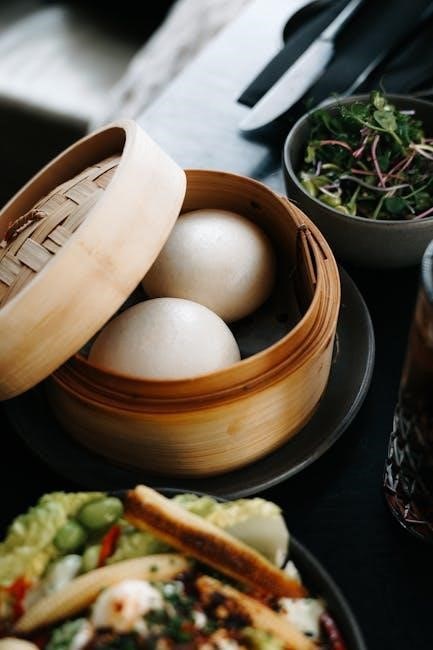
Jasmine rice, known for its fragrant aroma and slightly sticky texture, is a delightful addition to any meal․ Begin by gently rinsing the jasmine rice under cold water until the water runs clear; this removes excess starch․ A standard ratio is 1 cup of jasmine rice to 1․5 cups of water․ Place the rinsed rice and water into the Cuisinart steamer’s inner pot․
Secure the lid and select the “Jasmine” preset if your model has one․ If not, use the “White Rice” setting and reduce the cooking time slightly, or use the manual setting for around 15-20 minutes․ Once the cycle completes, allow the rice to rest, covered, for 10 minutes․ Fluff gently with a fork before serving to separate the grains․ Adjust the water ratio slightly for preferred consistency․
Sushi Rice Cooking Instructions
Creating perfect sushi rice requires a specific texture – slightly sticky, yet with defined grains․ Begin by rinsing short-grain Japanese rice (sushi rice) thoroughly until the water runs clear․ A typical ratio is 1 cup of rice to 1․25 cups of water․ Place the rinsed rice and water into the Cuisinart steamer’s inner pot․
Select the “White Rice” setting, and once cooked, let the rice steam for 10 minutes with the lid closed․ Transfer the rice to a wooden or glass bowl (avoid metal)․ Gently fold in sushi vinegar – typically 2-3 tablespoons per cup of uncooked rice – using a cutting motion․ Cool the rice quickly while continuing to fold, fanning it to release steam․ This achieves the desired texture and sheen for authentic sushi․

Steaming Capabilities
Beyond rice, your Cuisinart steamer excels at preserving nutrients and flavors! Utilize the included steaming basket for vibrant vegetables, delicate fish, and succulent poultry․
Vegetable Steaming Guide
Achieving perfectly steamed vegetables with your Cuisinart rice steamer is remarkably easy! Begin by adding approximately one cup of water to the inner pot – adjust slightly based on the quantity of vegetables․ Ensure vegetables are washed and, for larger pieces like broccoli or carrots, chopped into uniform sizes for even cooking․
Place the vegetables within the steaming basket, ensuring they aren’t overcrowded to allow for proper steam circulation․ Secure the basket inside the steamer, select the ‘Steam’ function (or a comparable setting if your model has preset vegetable options), and set the timer․
Delicate vegetables like asparagus or spinach require shorter steaming times (3-5 minutes), while denser vegetables such as potatoes or carrots benefit from 8-12 minutes․ Check for desired tenderness with a fork; steaming continues the cooking process even after removal from the heat․ Season immediately after steaming for optimal flavor!
Fish and Seafood Steaming Instructions
Steaming fish and seafood in your Cuisinart appliance yields incredibly moist and flavorful results! Begin by adding roughly one cup of water to the inner pot; consider adding lemon slices, herbs (dill, parsley), or a splash of white wine to infuse the seafood with aromatic flavors․
Place the fish fillet or seafood (shrimp, mussels, clams) on a heat-proof plate or directly within the steaming basket – a bed of lemon slices beneath prevents sticking․ Ensure the steamer lid is securely fastened․
Select the ‘Steam’ function and set the timer․ Delicate fish like cod or sole typically require 8-10 minutes, while shrimp cook in just 5-7 minutes․ Mussels and clams will open when cooked (discard any that remain closed)․ Check for flakiness with a fork; avoid overcooking to maintain tenderness and prevent dryness․
Poultry Steaming Instructions
Steaming poultry in your Cuisinart rice steamer results in exceptionally tender and juicy meat! For best results, use boneless, skinless chicken or turkey pieces․ Add approximately 1․5 to 2 cups of water to the inner pot, enhancing the flavor with chicken broth or aromatic herbs like thyme and rosemary․
Place the poultry within the steaming basket, ensuring it isn’t overcrowded to allow for even cooking․ Secure the lid tightly․ Select the ‘Steam’ function and set the timer based on the poultry’s thickness and quantity․
Generally, chicken breasts require 20-25 minutes, while smaller pieces like tenders cook in 15-20 minutes․ Always verify internal temperature reaches 165°F (74°C) using a meat thermometer before serving, guaranteeing safe and delicious poultry․
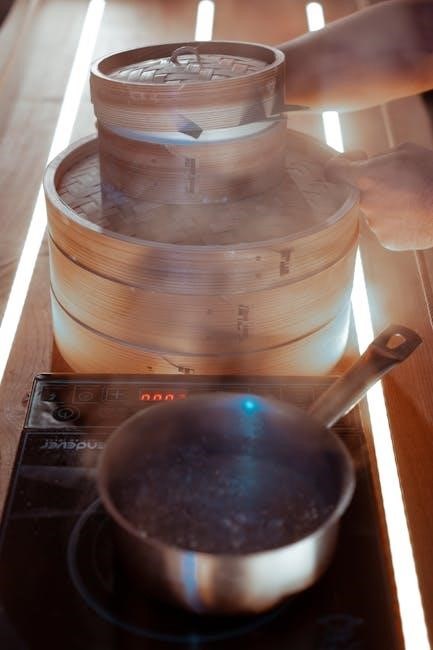
Advanced Features & Settings
Unlock greater control and convenience! Explore the delay start, keep warm functions, and diverse preset programs for customized cooking, streamlining your meal preparation․
Delay Start Function: How to Use
Planning meals ahead has never been easier! The Cuisinart rice steamer’s delay start function allows you to set a time for cooking to begin automatically, ensuring a hot, freshly cooked meal awaits you upon your return․ First, prepare your ingredients as usual – rice, water, and any desired seasonings – and place them in the inner pot․
Next, securely close the lid․ Press the “Delay Start” button․ The display will likely prompt you to set the desired start time, typically in hours․ Use the “Hour” and “Minute” buttons to adjust the time accordingly․ Once the desired time is set, press “Start․” The steamer will then remain in standby mode until the programmed time is reached, at which point it will automatically begin the cooking cycle․ Remember to consider the cooking time when setting the delay, ensuring the meal is ready when you need it!
Keep Warm Function: Duration and Best Practices
Maintaining the perfect temperature is crucial for optimal rice texture! The Cuisinart rice steamer’s “Keep Warm” function automatically activates after the cooking cycle completes, preserving your rice at an ideal serving temperature․ Typically, this function can keep rice warm for up to 12 hours, though quality may slightly diminish over extended periods․
For best results, avoid repeatedly opening the lid during the “Keep Warm” cycle, as this releases steam and can affect the rice’s moisture content․ If the rice appears too dry after several hours, you can add a tablespoon of water and fluff it gently․ It’s also advisable not to leave cooked rice on “Keep Warm” overnight due to potential bacterial growth; consume or refrigerate promptly․ Utilizing this feature ensures a consistently enjoyable meal, even with staggered dining schedules!
Preset Programs: A Detailed Overview
Cuisinart streamlines cooking with intelligently designed preset programs! Your steamer features dedicated settings for various rice types – White Rice, Brown Rice, Sushi Rice, and often, specialized options like Quinoa or Oatmeal․ These presets automatically adjust cooking time and temperature for optimal results, eliminating guesswork․
To utilize a preset, simply select the corresponding program on the control panel, add your rice and water according to the included measuring cup and water level markings, and press “Start․” The steamer handles the rest! Refer to the manual for specific water-to-rice ratios for each preset․ Experimenting with these programs unlocks a diverse range of perfectly cooked grains, simplifying your meal preparation and expanding your culinary possibilities․ Don’t hesitate to explore!

Maintenance and Cleaning
Preserving your Cuisinart rice steamer’s performance requires regular cleaning! Consistent upkeep ensures longevity and optimal functionality, delivering consistently delicious results for years to come․
Cleaning the Inner Pot
The inner pot is the heart of your Cuisinart rice steamer, demanding careful cleaning after each use․ Allow the pot to cool completely before handling․ For routine cleaning, hand washing with warm, soapy water is recommended; avoid abrasive cleaners or scouring pads that could damage the non-stick coating․
If food residue is stubbornly stuck, soak the pot in warm, soapy water for 15-30 minutes before gently scrubbing․ For tougher stains, a paste of baking soda and water can be effective – apply, let sit, then scrub lightly․
Ensure all soap residue is thoroughly rinsed away․ The inner pot is often dishwasher safe (check your model’s manual to confirm), but hand washing generally prolongs its lifespan․ Dry the pot completely before storing to prevent corrosion or buildup․
Cleaning the Steaming Basket
Maintaining a pristine steaming basket is crucial for hygienic and flavorful results․ After each use, promptly remove the steaming basket from the rice cooker and allow it to cool․ Most Cuisinart steaming baskets are dishwasher safe, offering a convenient cleaning solution – verify this in your appliance’s manual․
For hand washing, use warm, soapy water and a soft sponge or cloth․ Pay close attention to any small holes or crevices where food particles may accumulate; a soft brush can be helpful here․
Stubborn residue can be loosened by soaking the basket in warm, soapy water for a short period․ Rinse thoroughly to remove all traces of soap, and dry completely before storing to prevent mildew or odors․ Regular cleaning ensures optimal performance and longevity․
Exterior Cleaning and Care
Preserving the sleek appearance of your Cuisinart rice steamer is easy with routine care․ Always unplug the appliance and allow it to cool completely before cleaning the exterior․ Wipe down the housing with a damp, soft cloth․ Avoid abrasive cleaners or scouring pads, as these can damage the finish․
For stubborn splatters or food residue, a mild dish soap solution can be used, followed by a clean, damp cloth to remove any soap residue․ Never immerse the appliance base in water or any other liquid․
The control panel should be wiped gently with a dry cloth․ Regular exterior cleaning not only maintains its aesthetic appeal but also prevents buildup that could affect performance and longevity․
Troubleshooting Common Issues
Encountering problems? This section provides solutions for common issues like mushy or undercooked rice, or a lack of steam, ensuring optimal performance quickly․
Rice is Too Mushy
Dealing with overly soft rice? Several factors can contribute to this common issue․ First, ensure you’re using the correct water-to-rice ratio for the type of rice you’re cooking – white, brown, jasmine, or sushi rice all require different amounts of liquid․
Too much water is the primary culprit․ Carefully measure using the provided cup or a standard measuring cup․ Secondly, check the cooking time․ While the Cuisinart steamer is designed for automatic operation, variations in rice type or altitude can affect cooking duration․
Consider reducing the cooking time slightly on your next attempt․ Also, avoid lifting the lid during the cooking process, as this releases steam and disrupts the cooking temperature․ Finally, ensure the steamer is properly sealed․ If the seal is damaged, steam can escape, leading to inconsistent results and mushy rice․ Experiment with minor adjustments to achieve your desired texture․
Rice is Under Cooked
Finding your rice still crunchy after the cycle? This usually indicates insufficient cooking time or not enough water․ First, verify you’ve used the correct water-to-rice ratio for the specific rice variety․ Brown rice, in particular, requires significantly more water and a longer cooking time than white rice․
Ensure the inner pot is properly seated within the steamer․ An improper fit can prevent even heat distribution․ If the issue persists, add a tablespoon or two of water to the pot, reseal the lid, and run the steamer for an additional 5-10 minutes․
Avoid interrupting the cooking cycle prematurely․ Let the steamer complete its programmed time․ Also, check the power supply to ensure the unit is receiving adequate voltage․ Finally, consider the age of your rice; older rice may require slightly more water and cooking time to achieve optimal tenderness․
Steamer Not Producing Steam
Encountering a Cuisinart steamer that isn’t generating steam? The most common culprit is insufficient water in the reservoir․ Always ensure the water level is above the minimum fill line, but doesn’t exceed the maximum․ Also, verify the water reservoir is correctly positioned and securely locked into place․
Check for mineral buildup within the reservoir, which can obstruct steam production․ Descale the unit regularly using a solution of equal parts water and white vinegar, following the cleaning instructions․ Inspect the steam vent for any blockages – food particles can sometimes accumulate here․
Confirm the lid is sealed tightly; a loose lid prevents pressure from building, hindering steam generation․ Finally, ensure the unit is receiving power and the heating element is functioning correctly․ If problems persist, contact Cuisinart customer support․
Safety Precautions
Prioritize safety during operation! Always unplug the steamer before cleaning, avoid immersing the base in water, and never operate with a damaged cord – exercise caution․
Electrical Safety Guidelines
Ensuring electrical safety is paramount when using your Cuisinart Rice Steamer․ Always verify the voltage of your outlet matches the appliance’s rating, typically found on the base․ Never operate the steamer with a damaged cord or plug; immediate replacement is crucial to prevent hazards․ Avoid using extension cords if possible, but if necessary, ensure it’s a heavy-duty cord rated for the appliance’s wattage․
Do not immerse the steamer base, cord, or plug in water or any other liquid․ This poses a severe risk of electric shock․ Keep the cord away from hot surfaces and sharp edges during operation․ Unplug the steamer from the outlet when not in use and before cleaning․ Never attempt to repair the appliance yourself; contact authorized service personnel for any repairs․ Proper grounding is essential for safety; do not tamper with the grounding prong․
Proper Usage and Handling
To maximize the lifespan and performance of your Cuisinart Rice Steamer, always place it on a stable, heat-resistant surface away from flammable materials․ Ensure the inner pot is properly seated before operation․ Avoid overfilling the pot, as this can cause spillage and potential malfunction․ Use only the provided steaming basket for steaming functions; other materials may melt or damage the appliance․
Never attempt to force the lid open during operation, as steam pressure may be present․ Allow the steamer to cool completely before handling or cleaning․ Do not use abrasive cleaners or scouring pads, as they can damage the non-stick coating․ Always unplug the unit before cleaning or storing․ Handle the hot inner pot and steaming basket with oven mitts or pot holders to prevent burns․ Regular, careful handling ensures years of reliable service․
Avoiding Common Mistakes
Many issues with rice cookers stem from simple oversights․ A frequent error is using incorrect water-to-rice ratios; always refer to the provided guidelines for each rice type․ Don’t substitute the inner pot with another, as this impacts heating efficiency․ Avoid lifting the lid mid-cycle, releasing crucial steam and altering cooking time․ Forgetting to clean the unit after each use can lead to buildup and affect performance․
Resist the urge to stir rice during cooking, as this releases starch and can result in a mushy texture․ Ignoring the “Keep Warm” function’s limitations can overcook rice if left for extended periods․ Finally, ensure the steam vent is clear of obstructions to prevent pressure buildup․ Careful attention to these details guarantees perfectly cooked rice and avoids frustrating results․